Jim is a veteran creative director, fine artist and photographer, who built his career in advertising and publication design, initially as an agency designer and production artist in Oregon, then as a freelance designer and art director in Southern California for high profile publications, including Sea, Lakeland Boating, Rudder, Road & Track, Cycle World, and New Homes Magazine, among others. In 1993, he returned with his young family to Oregon, opening an independent studio to support the design and strategic marketing needs of regional tech start-ups, national and international homebuilders and developers, manufacturers, non-profits, and a range of service industries. Garnering numerous awards for an extensive client list, Jim’s 42-year commercial career has provided a wealth of experience in publication, graphic and advertising design, brand development, strategic marketing, photography, photo editing, and copywriting.
He holds a Bachelor of Science in Graphic Design with a Minor in Art History from Oregon State University, where he studied photography with noted fine art photographer and now, Professor Emeritus, Harrison Branch, and graphic design with renowned calligrapher Allen Q. Wong, who was a guiding influence for Jim’s love of typography and letter forms. In 1984, He served as art director and contributing photographer for author and photographer Jake Grubb, producing the first definitive book on the sport of boardsailing. Working alongside internationally-recognized sports photographers Bruce C. Brown and Paul Kennedy, and legends of the sport, including Bruce Matlack, Robby Naish, Mike Waltze, and Rhonda Smith, The Sailboard Book helped bring the sport of boardsailing to prominence.
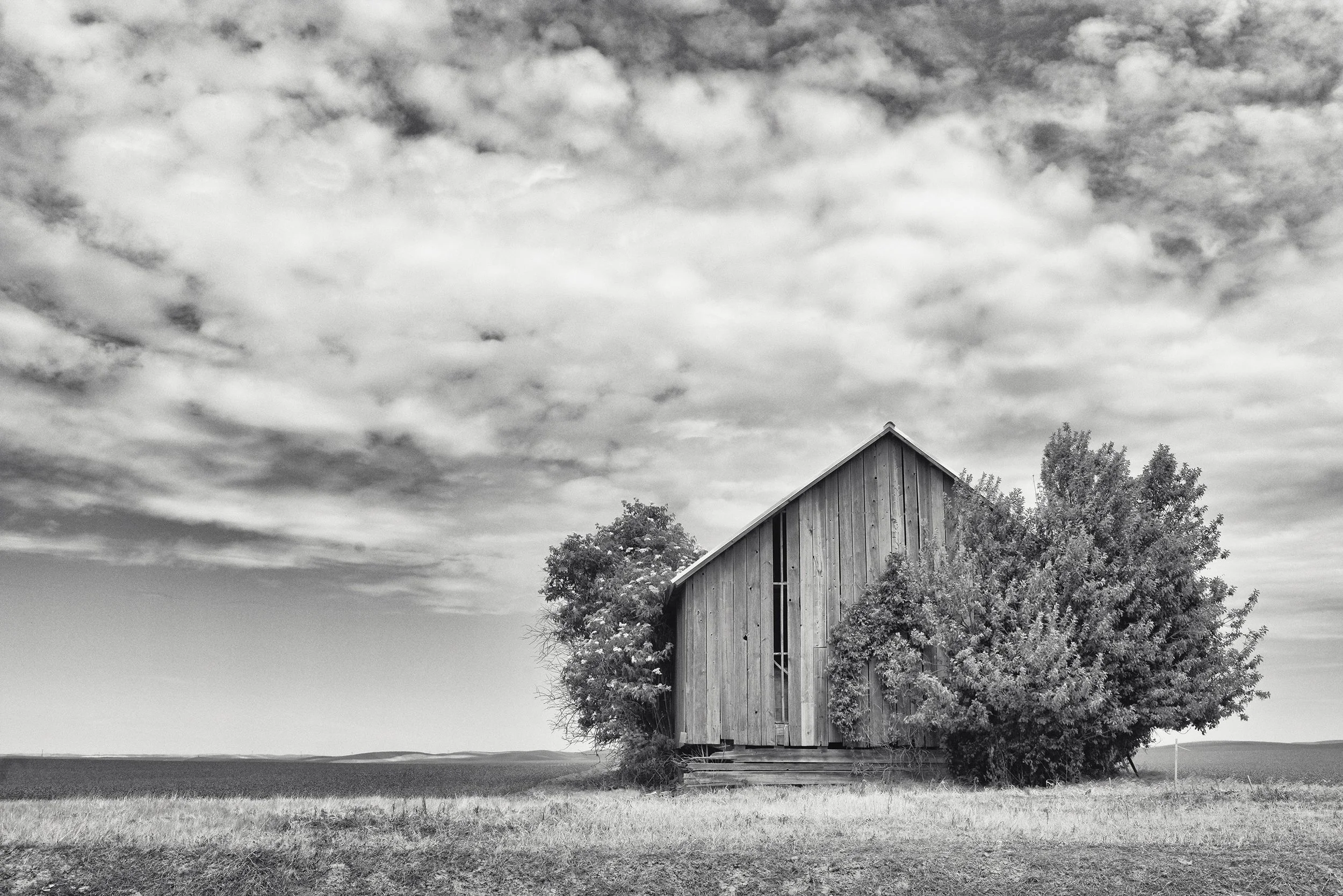
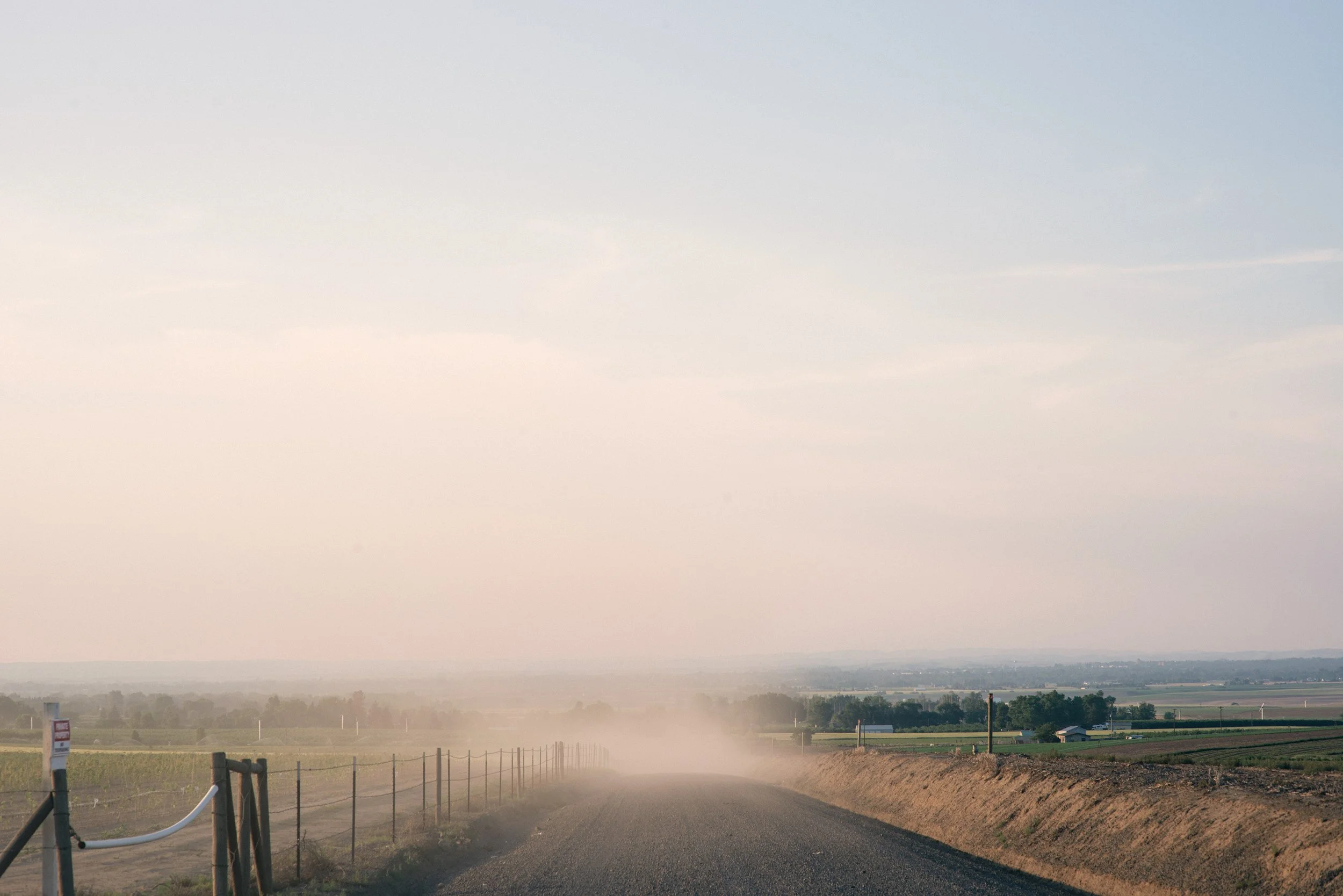
Today, Jim has returned to his love of photography, creating commissioned works, offering licensing for editorial, commercial, or stock use, and producing limited edition prints for private collections. In an effort to stay close to the origins of his craft, he has also returned to the drafting table – t-square, and #10 x-acto knife in-hand – creating fine art collages, drawn in part from an extensive, personal collection of family photos, documents, and ephemera that date as far back as the 18th century.